UNITED STATES OF AMERICA
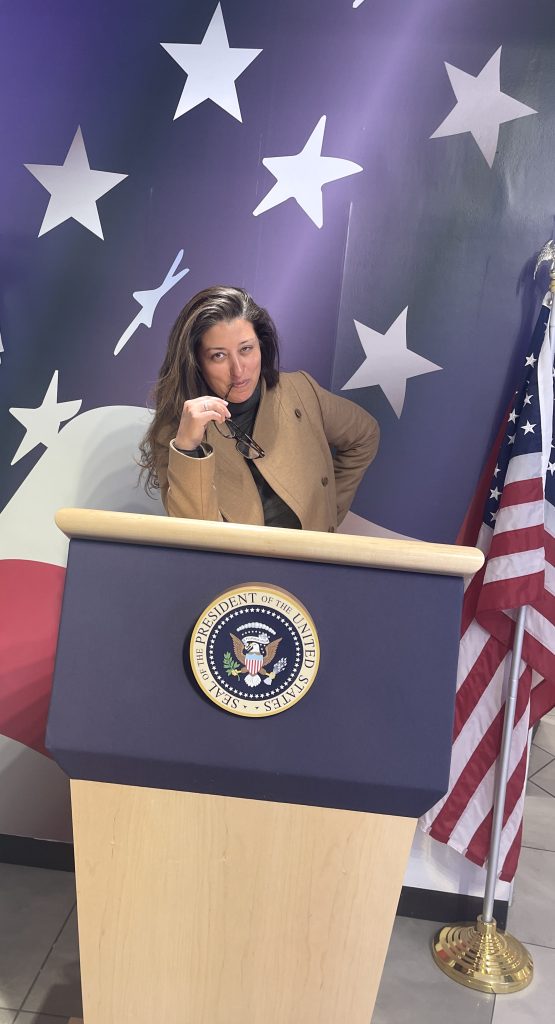
Woman standing in front of a podium that has the flag of the USA draped behind and has the Presidential Seal on the front of the podium
Welcome to the USA!

Plan your trip to the USA!

The USA will always be a special place for me, as it’s been my home for half my life. I’ve lived in several parts of the country and continue to explore other parts each year. It really is true that there is something for everyone, with mountains and big cities, deserts and small country towns, beachfront coasts, and deep forests.

My most important advice about planning a trip to the USA is to take it in small bites. Some of my most memorable experiences have been completely unplanned: a last-minute trip to another town for a concert experience, checking out a newly opened restaurant, or exploring a neighborhood by foot.

Trying to cram too much into the trip can leave you feeling stressed. And while the Statue of Liberty and the Hollywood sign are iconic symbols of this big nation, the smaller towns are full of historical significance and offer a more community-oriented feel. Exploring the less familiar parts of the country is easier on the wallet, supports small businesses, and is full of hidden gems!

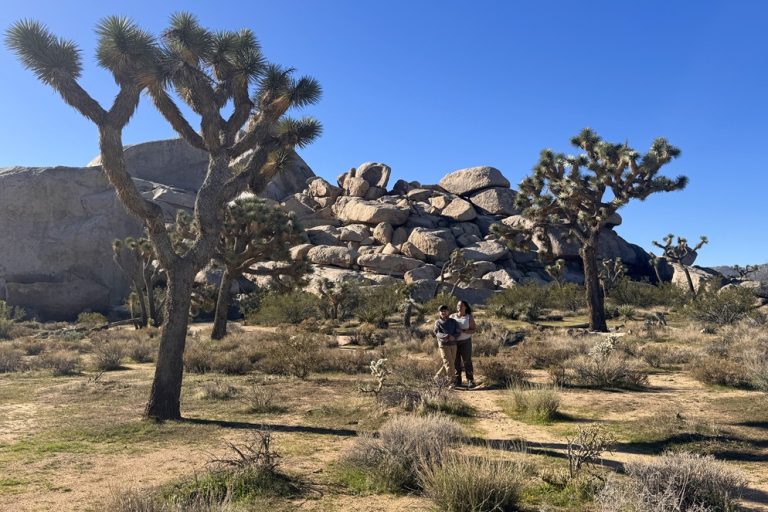
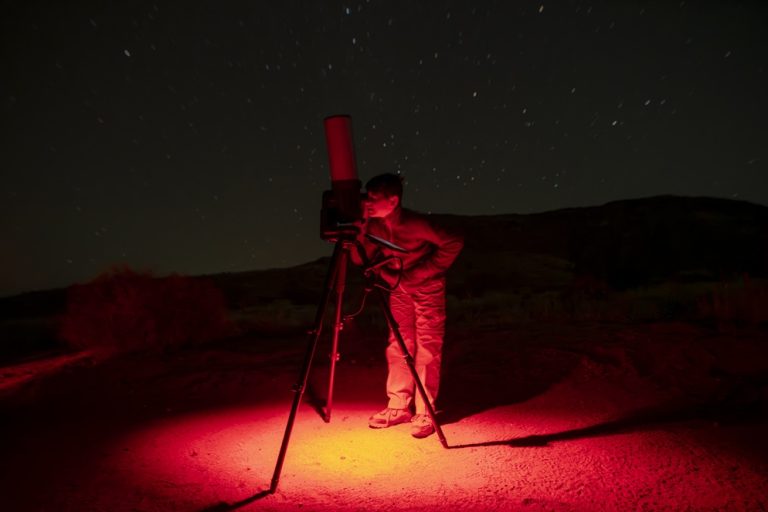
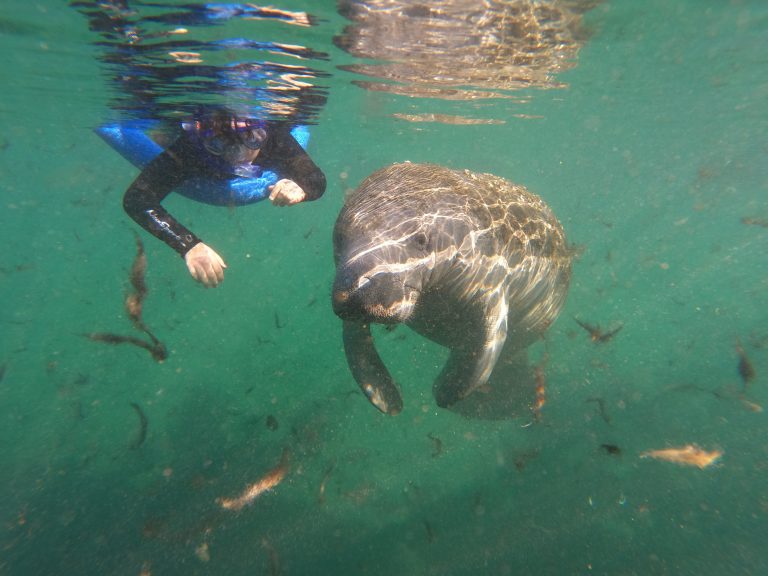
Some of our favorite experiences in the USA:

Important travel tips for a successful trip in the USA:
  • DRIVING & ROAD TRIPS ARE A TRULY AMERICAN EXPERIENCE. The USA has one of the most well-maintained highway systems in the world, and road-tripping is genuinely one of the best ways to experience it. Renting a car or using your own, you’ll be able to explore more small towns and roadside experiences in the USA.
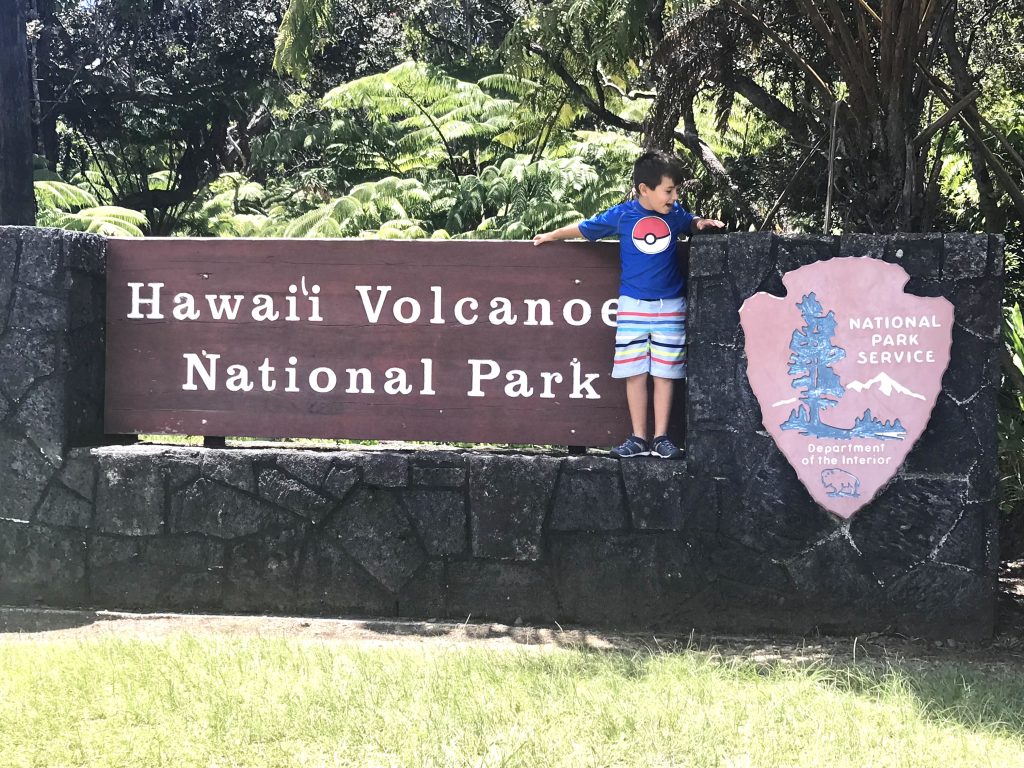
  • THE GIFT OF THE NATIONAL PARKS. Since the first National Park (Yellowstone) was established in 1872, Americans have embraced the idea that we are all stewards of these beautiful lands, and each year, almost 335 million visitors visit the 400+ places managed by the National Park Service. If you are including these stops on your visit to the USA, don’t overlook the National Park Pass (America the Beautiful) — for a nominal fee, you get access to all the sites for a full year. This is an absolute must-have if you’re visiting more than two national parks. Download the NPS app before you go for maps, ranger programs, and trail info that works offline. It’s also important to note that many of the more popular parks require advance reservations in peak seasons, so do your homework.
  • MONEY & TIPPING. Credit cards are accepted almost everywhere in the USA, but keep a small amount of cash for parking meters, farmer’s markets, and roadside stands. When planning a trip to the USA, note that tipping culture is strong here: 18–20% at sit-down restaurants is standard, and $1–2 per drink at bars. Tip your hotel housekeeping ($2–5/night), tour guides (15–20%), and rideshare drivers for exceptional service. Be sure to figure this into your overall trip budget.
  • CELL SERVICE & CONNECTIVITY. Coverage varies wildly across the country. In major cities and along highways, you’ll be fine with any major carrier. But if you’re heading into national parks, rural areas, or the desert Southwest, don’t count on reliable cell service. Download offline maps (Google Maps or Maps.me) before leaving your accommodation, save your accommodation addresses and phone numbers offline, and consider a portable battery pack for longer days out. Many national park visitor centers have Wi-Fi.
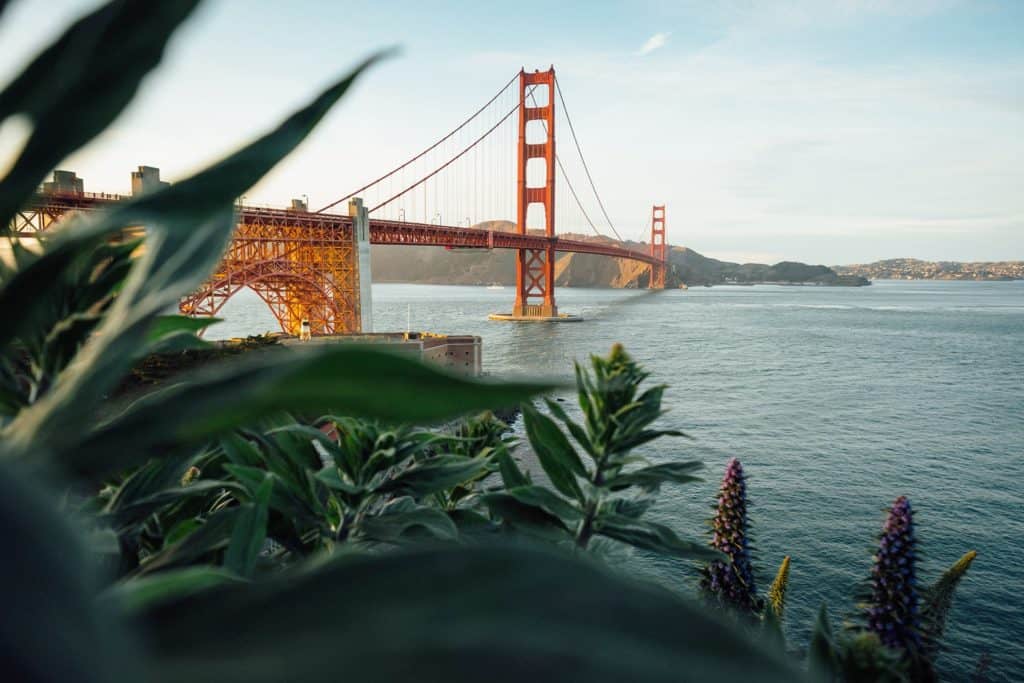
San Francisco Golden Gate Bridge across the water in the background with rich green plants in the foreground
The Golden Gate Bridge, San Francisco, California, Photo by Tim Foster on Unsplash
  • WEATHER VARIES DRAMATICALLY. Unlike a single-country destination, the USA spans multiple climate zones. Planning a trip to the USA means packing for the specific region you’re visiting: Florida in August is hot and humid; Utah in November can see snow at elevation; California’s coast is often cool even in summer. Always check the 10-day forecast before finalizing packing. If you’re doing a multi-state trip, layer up — you may experience four seasons in a week.
  • SAFETY & HEALTHCARE. Healthcare in the USA is expensive without insurance. Travel insurance is strongly recommended, especially for international visitors. Know the basics: 911 is the universal emergency number. Most cities and towns are very safe for tourists, but as anywhere, stay aware of your surroundings in unfamiliar areas, particularly at night. National parks and outdoor spaces require respect for wildlife — always maintain distance from animals and follow posted guidelines.

Book your USA travel experiences now!

This is not a sponsored page. This page includes products and companies I use regularly for my own travels. Some of these links are affiliate links and, at no cost to you, I may earn a small commission.